
R34 – Redesigning Research Unit on Behavioral Intervention (RUBI) for Autistic Children in Educational Settings
Principal Investigators
Jill Locke, PhD, Associate Professor, University of California, Los Angeles | Research Associate Professor, Department of Psychiatry & Behavioral Sciences, University of Washington
Karen Bearss, PhD, Vice President, Caregiver-Mediated Solutions, Catalight; Affiliate Associate Professor, Department of Psychiatry & Behavioral Sciences, University of Washington
Project Description
While the evidence base has grown for interventions for autistic youth, few of these interventions are being implemented in public schools, the primary setting in which autistic children receive intervention, due to misalignment of existing implementation strategies with that setting. There is a need for contextually appropriate implementation strategies to be used to support lay providers in learning and using these interventions. This three-year project will apply the local Discover, Design, Build, and Test (DDBT) framework to redesign and then pilot a multifaceted implementation strategy to support educator use of a behavioral skills evidence-based intervention, Research Unit on Behavioral Intervention (RUBI) for Educational Settings (RUBIES), for autistic children in public schools.
This project started during the first iteration of the UW ALACRITY Center as an R03 pilot project. The current project aims to: 1) identify targets for redesign from implementation strategies currently used to support RUBI clinician implementation to maximize educators’ RUBIES use in schools; 2) iteratively adapt the existing RUBI implementation strategies; and 3) test the newly-redesigned RUBI in Educational Settings (RUBIES) implementation strategy compared to the un-adapted RUBI implementation strategy on DDBT mechanisms (engagement, usability, appropriateness), proximal implementation outcomes (adoption, fidelity, adaptation, reach), and child behaviors (challenging behavior, functioning, top problems) with 80 educators supporting 80 elementary-school autistic children. Successful completion of the proposed study will result in a refined set of implementation strategies to support RUBIES use among lay providers in public schools and has the strong potential to inform how evidence-based practices can be implemented in schools more broadly. Knowledge gleaned from this study has the potential to improve the quality of life for autistic children served in public schools across the country.
| Setting | Elementary schools |
| Population | Autistic students, educators |
| Timeline | April 2023 to April 2026 |
Intervention and/or Implementation Strategy Designed or Redesigned
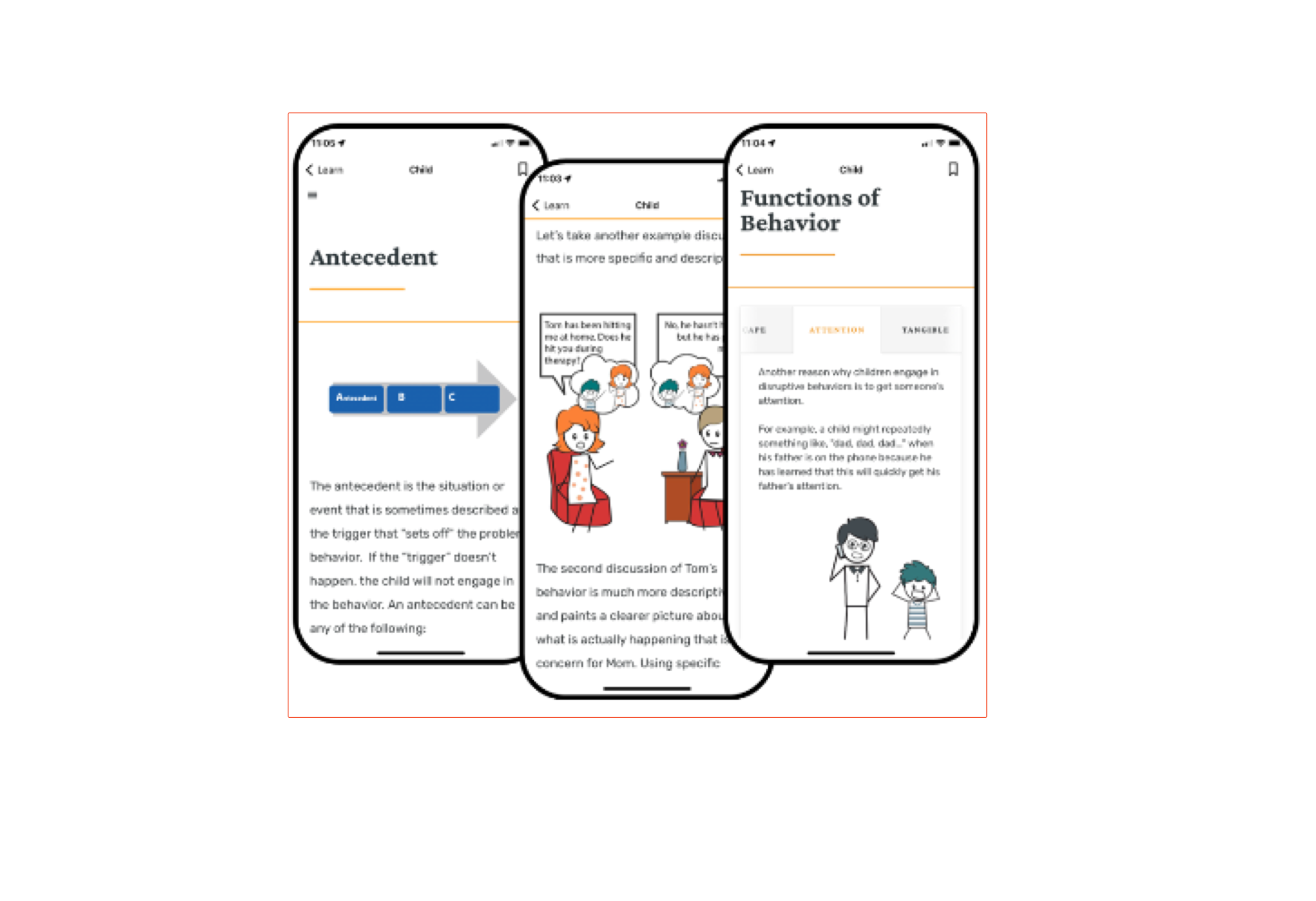
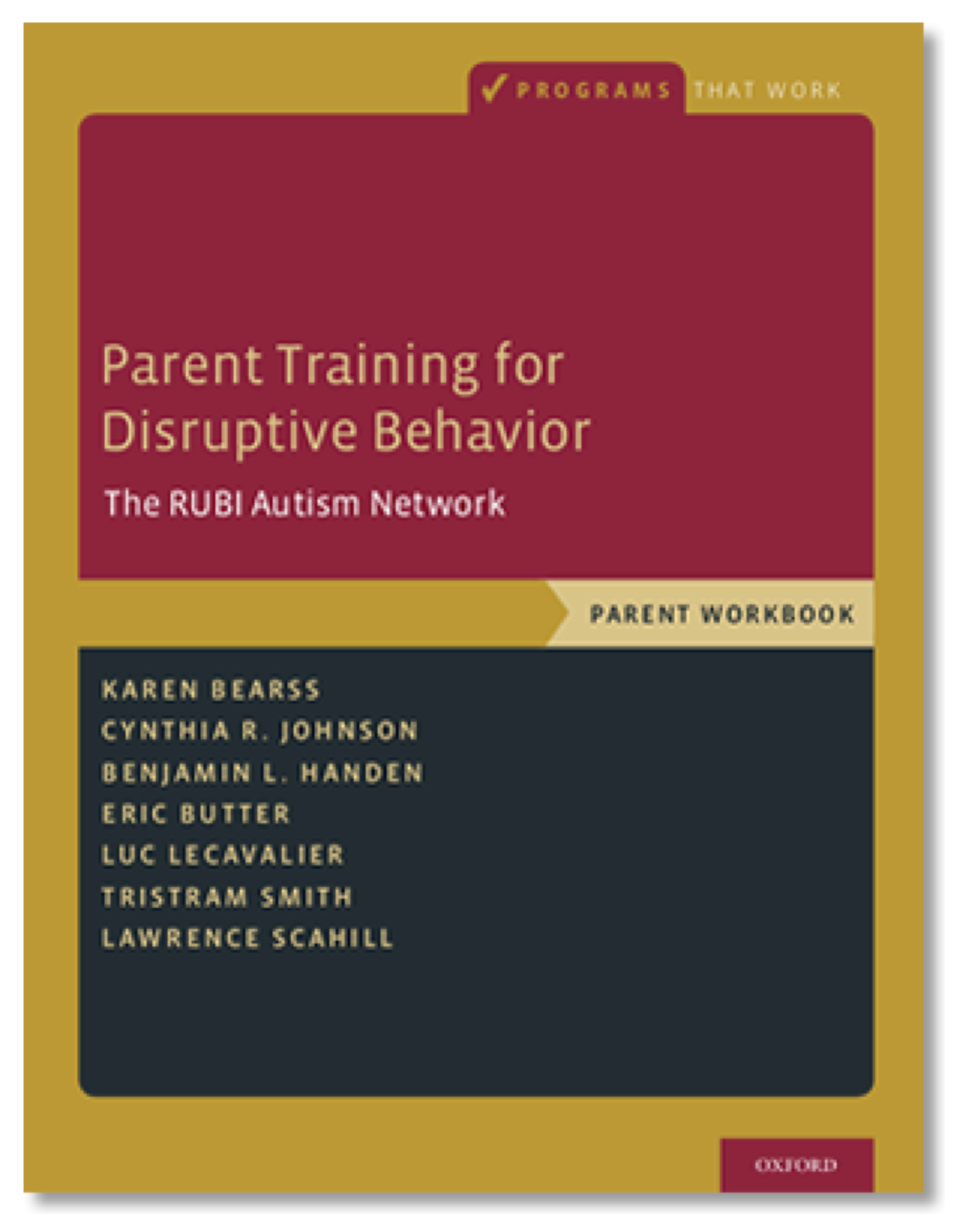
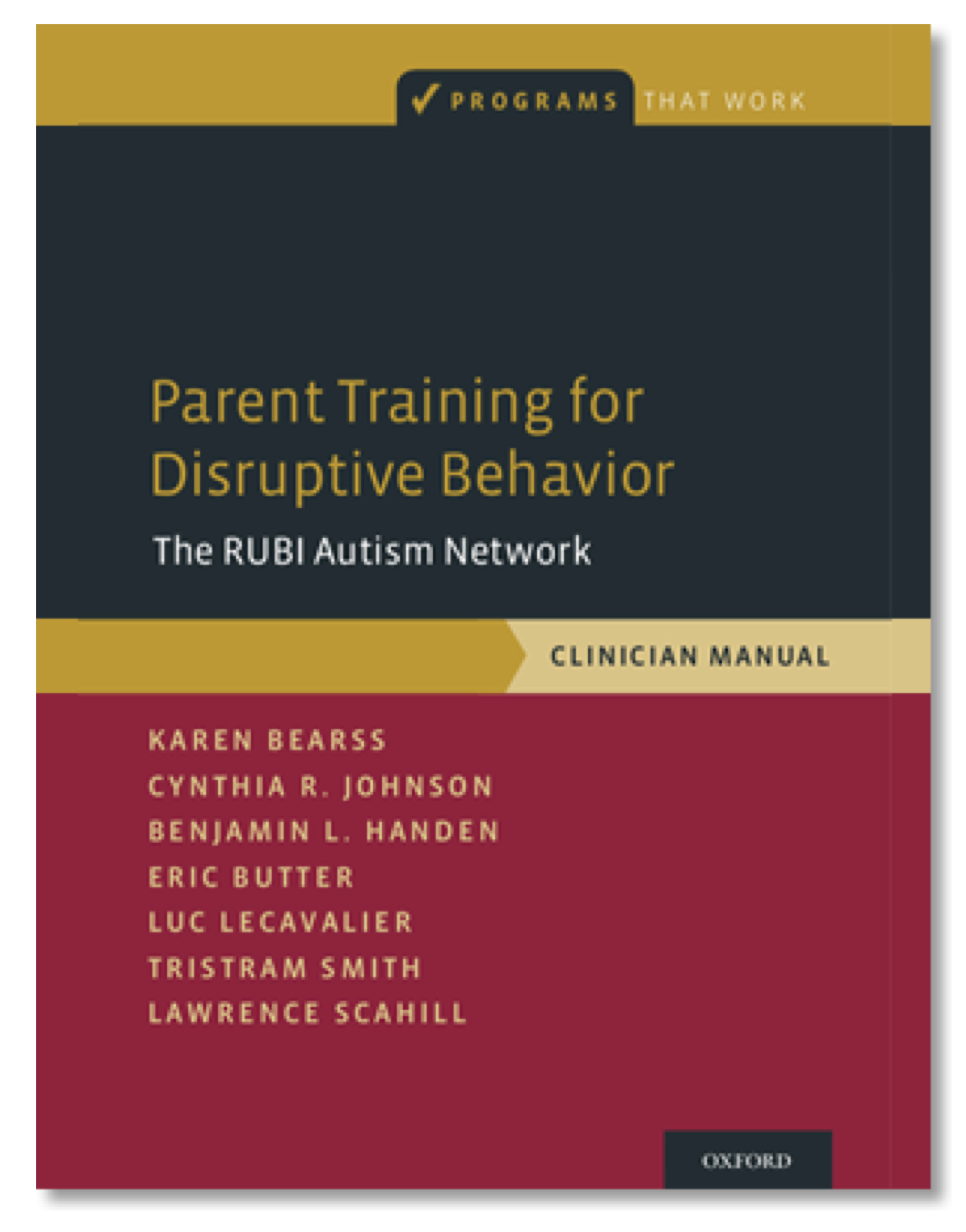
| Intervention | RUBIES: low-intensity manualized intervention for autistic children with co-occurring externalizing behaviors, originally developed for parents and redesigned for educators |
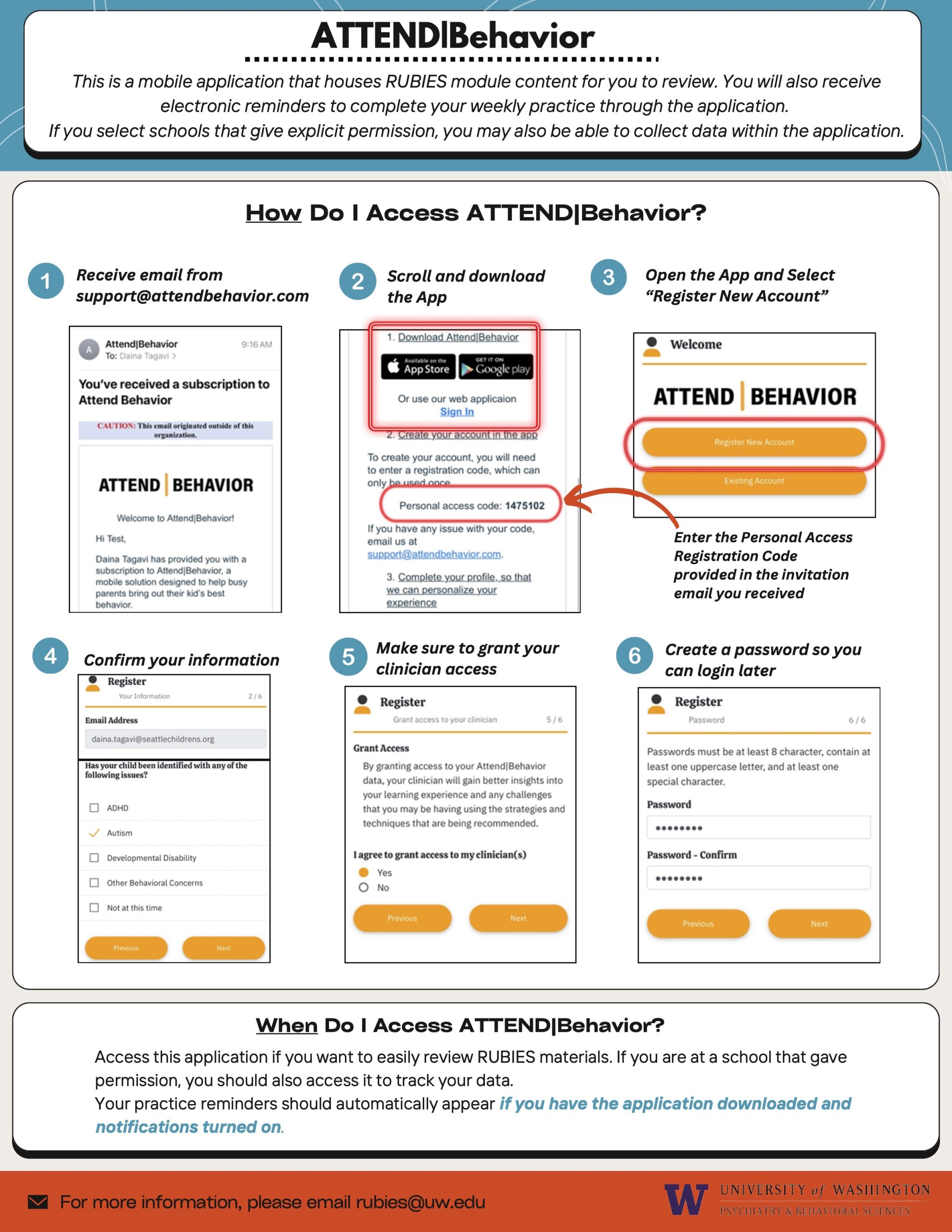
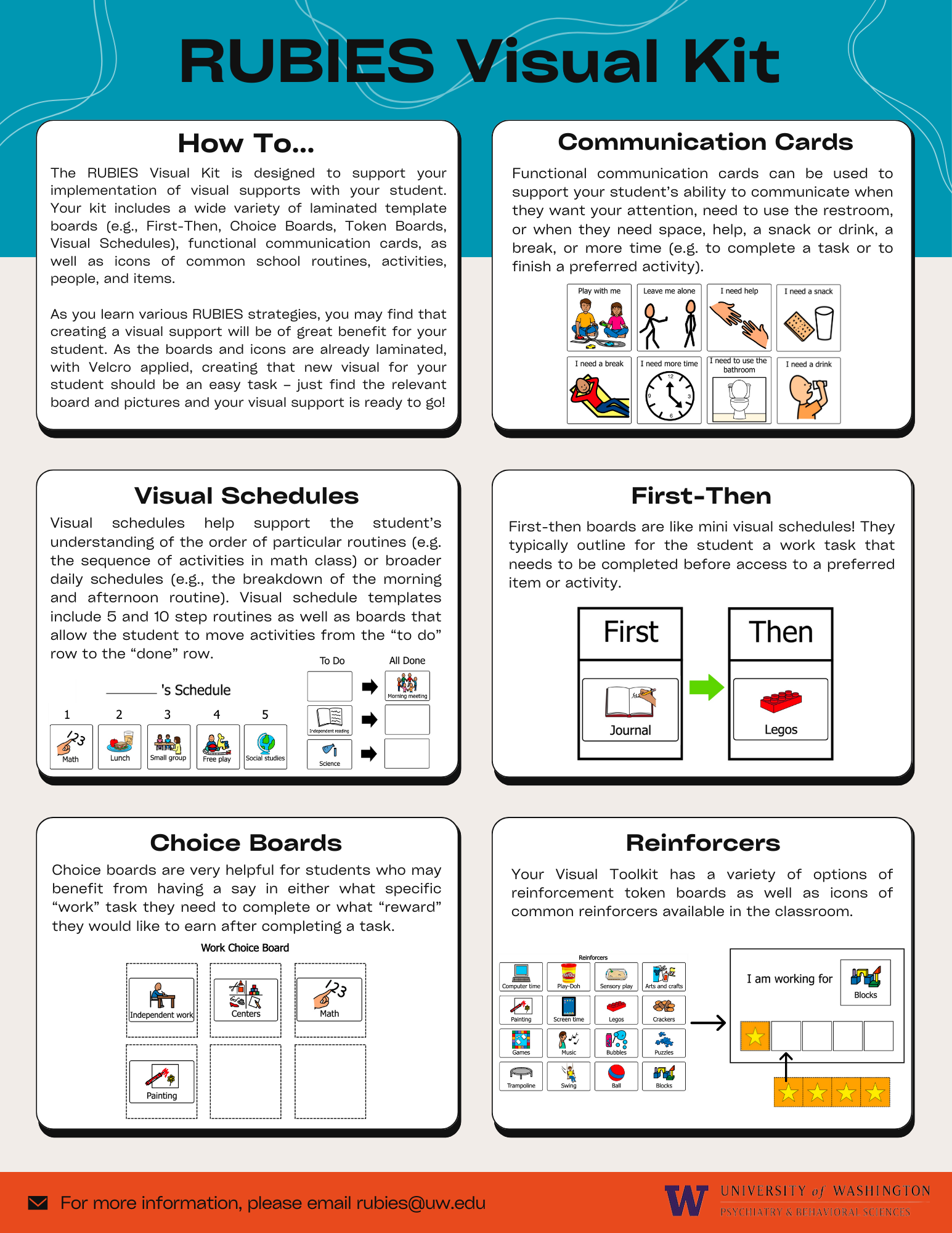
| Implementation Strategy | RUBIES-Team Implementation Strategy: emphasizes team collaboration and offers supplemental RUBIES resources |
Anticipated Impact
Considering the wide variability in the expression of autism spectrum disorders (ASD) and the need for highly individualized programs to meet children’s diverse needs, one of the most significant challenges that educators face is the delivery of evidence-based interventions (EBIs) targeting autistic youth in public schools. Routine EBI use in educational contexts is limited, which is immensely concerning as inconsistent or limited EBI implementation impedes the ability of autistic youth to benefit from EBIs, perpetuates poor long-term outcomes, and contributes to the misallocation of limited school resources. Capitalizing on lay providers to learn and use EBIs has the potential to reach autistic youth in their primary service setting in a cost-efficient manner and thus likely could have a major public health impact.
Project Publications
Identifying Implementation Usability Issues of an Evidence-Based Behavioral Intervention for Use in Schools
Implementation Research and Practice (May 2026) · PDF
Authors
Jill Locke, Daina Tagavi, Samantha Seaver, Yuanchen Kuo, Angel Fettig, Richard Torres, Karen Bearss
Abstract
Background: Educators endorse challenging behavior as a concern for autistic students, which is compounded by the lack of adequate resources for behavioral intervention use at school. The RUBI program is an evidence-based intervention, initially developed for clinicians to implement with parents of autistic children ages 3–14 with co-occurring challenging behavior in outpatient settings. Using the Discover, Design/Build, Test framework, which combines human-centered design and implementation science, implementation usability issues of RUBI were identified for redesign to ensure intervention-setting fit when used in schools.
Method: RUBI content was collaboratively and iteratively redesigned with elementary school partners, including 41 staff members from 28 schools. During the Discover Phase, the research team conducted in-class behavioral observations (N = 8) and cognitive walkthroughs (N = 15) with educators to identify implementation usability issues in the original RUBI intervention. In the Design/Build Phase, collaborative redesign sessions (N = 6) and demonstration studies (N = 12) were conducted to develop potential solutions to these issues. Implementation usability issues were systematically rated for importance and feasibility prior to redesign to guide the adaptation process.
Results: Conventional content analysis was used to code qualitative data and identify implementation usability issues. Two implementation usability issues were identified: (1) integration with other school-based systems of support and (2) data collection in schools.
Conclusion: Identifying and addressing usability issues may promote greater utility and successful implementation of RUBI in schools. Using partner-engaged methods allowed for the identification of critical implementation usability issues prior to the implementation of the redesigned intervention, RUBI in Educational Settings, or RUBIES. Implications to implementation in school settings are discussed, including potential ways to integrate RUBIES within existing school frameworks (i.e., MTSS) and streamline data collection with the use of technology.
Improving the Fit of Interventions for Autism in Schools: Lessons Learned Following Paraeducator Coaching on the RUBIES Program
Journal of Educational and Psychological Consultation (November 2025) · PDF
Authors
Daina Tagavi, Sydney Puga, Catherine Dick, Angela Dahiya, Karen Bearss, Jill Locke
Abstract
Implementing evidence-based behavioral interventions in school settings presents various challenges, particularly for paraeducators who often have limited formal training in working with autistic students, let alone specific behavior management strategies for this population. This study examined paraeducator feedback on the RUBI in Educational Settings (RUBIES) intervention, an adapted evidence-based behavioral intervention for schools. Sixteen paraeducators who participated in a randomized controlled trial of RUBIES completed semi-structured interviews, providing insights into the program’s strengths and areas for improvement. Using the Framework for Reporting Adaptations and Modifications – Expanded (FRAME), feedback was categorized into (a) positive feedback and (b) adaptation suggestions in the areas of (a) content and (b) implementation and scale-up activities. Paraeducators found RUBIES content effective in reducing challenging behaviors and improving student engagement. However, implementation barriers such as scheduling constraints, difficulty accessing materials, and limited coordination with broader educational teams were identified. Recommendations included expanding staff training and integrating digital tools for real-time strategy use and data collection. Findings highlight the need for ongoing monitoring and iterative adaptation of RUBIES implementation strategies in collaboration with community partners to ensure its feasibility and sustainability in school settings. Future research should focus on refining RUBIES and assessing long-term outcomes to enhance the program’s impact on paraeducators and autistic students.
A Pilot Feasibility Randomized Trial of the RUBI in Educational Settings Intervention With Paraeducators Supporting Autistic Students in Public Elementary Schools
Journal of Autism and Developmental Disorders (October 2025) · PDF
Authors
Karen Bearss, Wendy Shih, Daina Tagavi, Yuanchen Kuo, Angel Fettig, Jill Locke
Abstract
Purpose: This pilot randomized study evaluates the feasibility, acceptability, and preliminary effectiveness of RUBI in Educational Settings (RUBIES), a school-based adaptation of the evidence-based Research Unit in Behavioral Intervention (RUBI) parent training program, when implemented by elementary school paraeducators supporting autistic students with externalizing behaviors that impact safety and well-being.
Methods: A 24-week pilot randomized controlled trial was conducted with 67 paraeducators and 65 autistic students across 39 public schools in the United States. Paraeducators were randomly assigned to RUBIES or an active comparator, Psychoeducation on Autistic Students in Schools (PASS).
Results: Feasibility outcomes, including adherence to intervention strategy implementation, were high for paraeducators receiving RUBIES. Acceptability measures demonstrated strong engagement and satisfaction among paraeducators, with RUBIES paraeducators reporting significantly greater confidence in managing student behaviors compared to those who received PASS. While both groups showed reductions in externalizing behaviors, no significant differences were found between RUBIES and PASS on standardized outcome measures of student externalizing behaviors.
Conclusion: Findings suggest that RUBIES is a feasible and acceptable intervention for paraeducators, though further research is needed to assess its effectiveness in promoting behavioral change in autistic students at school.
Iterative redesign of a caregiver-mediated intervention for use in educational settings
Authors
Karen Bearss, Daina Tagavi, Aaron Lyon, Jill Locke
Abstract
Teachers often report concerns about behavior challenges in their students with autism spectrum disorder (ASD) in the school setting. Furthermore, teachers often report that they do not have adequate training in how to manage these challenging behaviors effectively. The RUBI program is an intervention initially developed for parents of children with ASD and co-occurring challenging behavior in clinic settings. The present project used school staff input to systematically redesign RUBI to be used with educators in schools. School staff gave input at multiple stages of development to ensure the adapted intervention was appropriate to use in a school setting. Responses were coded and analyzed to identify strengths and weaknesses of the RUBI manual in schools and adaptations were made accordingly. Scores of how appropriate, possible, likable, and usable RUBI would be in schools rose after the intervention was redesigned. The redesigned RUBIES manual may give school staff the tools they need to manage disruptive behaviors. In addition, collaborating with providers over multiple stages to redesign established interventions for new contexts may be a promising way to help bring research tools to practice in the future.